

Nature is an intricate web of life, where every species plays a vital role. Amidst this rich tapestry lies the crucial work of Viltnemnda, or wildlife management boards. These dedicated groups are essential for maintaining balance in our ecosystems. With their unique blend of expertise and community collaboration, they tackle the challenges that come with managing wildlife populations.
But what exactly does Viltnemnda do? How did these boards come to be? And why are they so important for the future of biodiversity? Join us as we explore the fascinating world of wildlife management and discover how Viltnemnda makes a difference in preserving our natural heritage.
The History and Purpose of Wildlife Management Boards
Wildlife management boards, known in Norway as Viltnemnda, have a rich history that reflects humanity’s evolving relationship with nature. Established to address growing concerns over wildlife populations and their impact on local ecosystems, these boards emerged as crucial guardians of biodiversity.
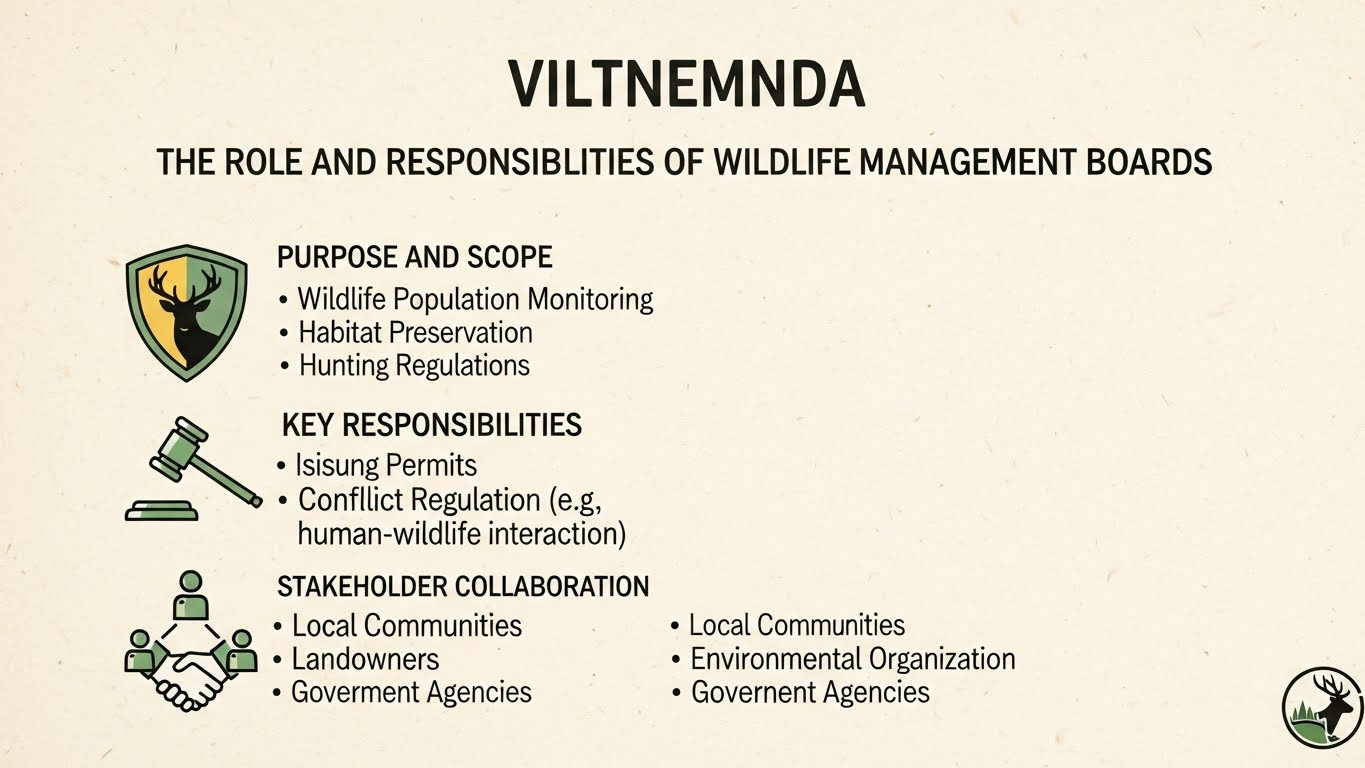
The primary purpose of Viltnemnda is to ensure sustainable management of wildlife resources. This includes overseeing hunting regulations and protecting endangered species while balancing the interests of communities reliant on these natural resources.
Related Post


Over time, the role of these boards has expanded beyond mere regulation. They now serve as platforms for education and advocacy, promoting awareness about conservation challenges faced by various species. Their work not only helps maintain ecological balance but also engages local stakeholders in meaningful discussions surrounding environmental stewardship.
The Role of Viltnemnda in Preserving and Managing Wildlife Populations
Viltnemnda plays a crucial role in safeguarding wildlife populations across various regions. These boards are dedicated to ensuring that ecosystems remain balanced and healthy.
One of their primary functions involves monitoring species numbers, assessing habitats, and implementing conservation measures as needed. By gathering data on animal behaviors and population trends, Viltnemnda can make informed decisions about wildlife management.
They also create hunting regulations designed to maintain sustainable levels of game species. This approach helps prevent overpopulation or depletion of certain animals, benefiting both the environment and local communities relying on these resources.
Additionally, Viltnemnda promotes education around wildlife conservation efforts. Through community outreach programs, they foster awareness about the importance of biodiversity and responsible stewardship among citizens.
By emphasizing collaborative practices with scientists and environmental organizations, Viltnemnda strengthens its impact in preserving natural habitats for future generations.
How Viltnemnda Collaborates with Local Communities
Viltnemnda actively engages with local communities to foster cooperation in wildlife management. This collaboration is essential for effective conservation strategies. By involving residents, Viltnemnda harnesses valuable local knowledge and insights.
Community meetings serve as platforms where concerns about wildlife can be voiced. These gatherings allow citizens to share their experiences and suggest solutions that work within their specific environments.
Educational programs are also a key aspect of this relationship. Workshops on sustainable practices raise awareness about the importance of biodiversity and responsible land use.
Moreover, Viltnemnda often partners with schools to promote wildlife education among younger generations, ensuring future stewards of the environment emerge from these communities.
Through open dialogue and shared goals, Viltnemnda strengthens its ties with locals while enhancing the overall effectiveness of its initiatives.
Challenges Faced by Wildlife Management Boards
Wildlife management boards, or Viltnemnda, face numerous challenges in their efforts to protect biodiversity. One significant issue is habitat loss due to urban development and agriculture. As natural spaces shrink, wildlife populations struggle to adapt.
Climate change adds another layer of complexity. Altered weather patterns disrupt habitats and food sources, making it harder for species to thrive. Viltnemnda must navigate these shifting dynamics effectively.
Conflicts with local communities often arise as well. People may view wildlife as a threat to livestock or crops. Balancing human needs with conservation goals can lead to tension.
Funding constraints pose additional hurdles for effective management practices. Limited resources can hamper research initiatives and community outreach programs essential for education about wildlife preservation.
Poaching and illegal hunting continue to threaten various species despite the best efforts of Viltnemnda. Ensuring compliance with regulations remains a constant battle in safeguarding vulnerable populations.
Future Outlook for Viltnemnda and Wildlife Management
The future of Viltnemnda hinges on adaptability and innovation. As climate change reshapes ecosystems, wildlife management must evolve alongside these shifts. The integration of technology can enhance monitoring efforts, providing real-time data for informed decision-making.
Collaboration with environmental organizations will play a crucial role in this evolution. By aligning goals with conservationists, Viltnemnda can amplify its impact on biodiversity preservation.
Public awareness is also essential. Engaging local communities through educational initiatives fosters a sense of responsibility toward wildlife protection. When people understand the importance of diverse ecosystems, they are more likely to support sustainable practices.
Investing in research will be vital as well. Understanding species behavior and habitat needs ensures that management strategies remain effective amid changing conditions.
With proactive measures and community collaboration, Viltnemnda stands poised to navigate the challenges ahead while championing wildlife conservation for generations to come.
Conclusion: The Importance of Viltnemnda in Protecting Biodiversity
The role of Viltnemnda is crucial in the landscape of wildlife management. These boards are at the forefront of preserving biodiversity, ensuring that ecosystems remain healthy and resilient. By implementing effective strategies for wildlife conservation, they help maintain a balance between human activity and nature.
Viltnemnda not only focuses on managing animal populations but also emphasizes habitat protection and restoration. Their work fosters sustainable practices that benefit both wildlife and local communities. This synergy enhances public awareness about environmental issues, encouraging responsible stewardship of natural resources.
As challenges continue to arise from climate change, urbanization, and other threats to biodiversity, the importance of Viltnemnda cannot be overstated. They serve as vital links between policymakers, scientists, and citizens striving for a harmonious coexistence with nature.
By prioritizing education and collaboration among stakeholders, these boards pave the way toward innovative solutions in wildlife management. The future hinges on their ability to adapt while safeguarding our planet’s precious flora and fauna—essential components for a thriving ecosystem now and for generations to come.