

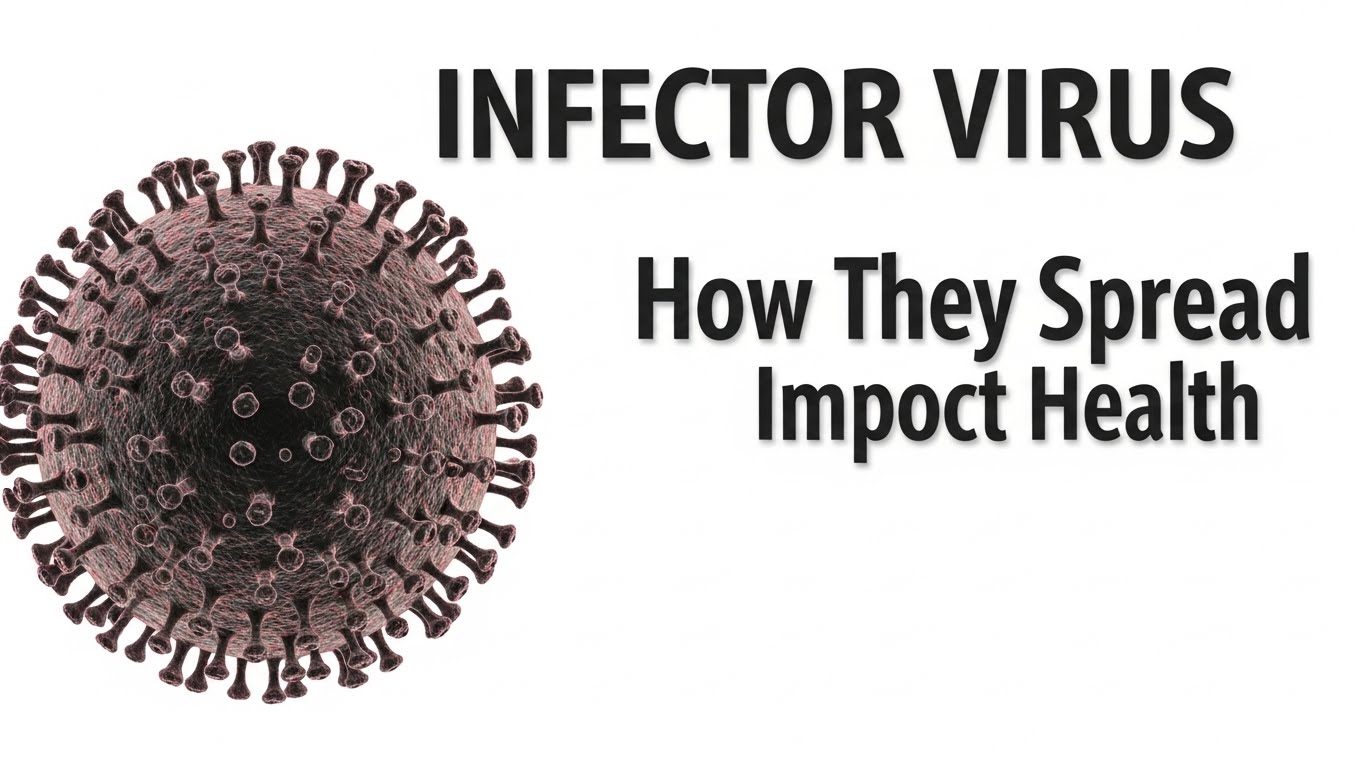
Vectors such as insects also contribute to spreading certain infector viruses. Mosquitoes are notorious for transmitting diseases like Zika and West Nile virus when they bite humans after feeding on infected hosts.
Understanding these pathways enhances awareness and helps us adopt better preventive measures against infector viruses.
Common Symptoms and Complications
Infector viruses often present a range of symptoms that can vary significantly among individuals. Common signs include fever, fatigue, and muscle aches. These initial responses are the body’s way of signaling an ongoing infection.
As the virus progresses, respiratory issues may arise. Coughing and difficulty breathing can lead to more severe complications if not addressed promptly.
Related Post


Gastrointestinal disturbances such as nausea or diarrhea might also occur, further complicating recovery efforts. In some cases, neurological symptoms like confusion or seizures can manifest in vulnerable populations.
Complications from infector viruses can escalate quickly. Conditions like pneumonia or organ failure may result in hospitalization and intensive care treatment. The health impacts are broad and underscore the importance of early detection and intervention for those affected by these viral infections.
Precautions and Prevention Measures
Preventing the spread of infector viruses requires a proactive approach. Simple hygiene practices can make a significant difference. Regular handwashing with soap and water for at least 20 seconds is essential. When soap isn’t available, hand sanitizer that contains at least 60% alcohol serves as an effective alternative.
Avoid close contact with sick individuals. Maintaining distance helps reduce transmission risk, especially during peak flu seasons or outbreaks.
Vaccination plays a crucial role in prevention as well. Staying updated on recommended vaccines can protect both individual and community health.
Wearing masks in crowded places also contributes to reducing airborne virus spread, particularly in enclosed environments where ventilation may be poor.
Educating yourself about common viruses prevalent in your area allows you to stay informed and take necessary precautions when needed. Empowerment through knowledge is key to preventing infections effectively.
The Importance of Vaccinations
Vaccinations play a crucial role in public health. They help protect individuals and communities from serious diseases caused by infector viruses. By stimulating the immune system, vaccines prepare our bodies to fight off infectious agents.
Immunization not only shields vaccinated people but also contributes to herd immunity. This is vital for those who cannot be vaccinated due to medical reasons, such as allergies or weakened immune systems. When enough people are immunized, the spread of viruses slows down significantly.
Moreover, vaccinations reduce healthcare costs related to treating viral infections. Preventing outbreaks saves resources and allows healthcare providers to focus on other pressing needs.
Regular vaccination schedules ensure that populations remain protected over time. As new threats emerge, adapting vaccine strategies becomes essential in keeping communities healthy and safe from infector viruses.
Treatment Options for Infector Virus Infections
Treatment options for infector virus infections vary depending on the specific virus and the severity of the illness. Antiviral medications are commonly prescribed to help manage symptoms and reduce viral replication. These drugs can shorten recovery time, especially when taken early in the infection.
Supportive care is also crucial. Patients may need hydration, rest, and over-the-counter pain relievers to alleviate discomfort. In more severe cases, hospitalization might be necessary for monitoring and advanced treatments.
For some viruses, like COVID-19 or influenza, monoclonal antibodies have emerged as effective treatment options. They work by targeting specific parts of the virus to inhibit its ability to infect cells.
In addition to pharmaceutical interventions, ongoing research continues to explore new therapies that could enhance our response against these ever-evolving threats. This dynamic field holds promise for better management strategies in combating infector viruses in the future.
The Role of Government and Public Health Agencies
Government and public health agencies play a pivotal role in managing infector viruses. They are at the forefront of surveillance, tracking outbreaks to prevent widespread transmission.
These organizations establish guidelines for testing and treatment protocols. Their recommendations help healthcare providers respond effectively when infections arise.
Public awareness campaigns are vital tools. Governments educate communities about hygiene practices, vaccination importance, and early symptom recognition.
Collaboration is crucial as well; local health departments often work with global entities like the World Health Organization. This network facilitates information sharing across borders, enhancing response strategies globally.
Investment in research is another key aspect. Public funding supports studies aimed at understanding viral behavior and developing vaccines or therapeutics that can save lives during outbreaks.
Through coordinated efforts, these agencies ensure that populations remain informed and prepared against potential threats posed by infector viruses.
The Future of Infector Virus Control
The future of infector virus control lies in innovation and collaboration. Scientists are exploring cutting-edge technologies, such as CRISPR gene editing, to develop targeted therapies. This approach could revolutionize how we treat viral infections.
Artificial intelligence is another game-changer. AI can analyze vast amounts of data quickly, aiding researchers in identifying patterns and predicting outbreaks before they escalate.
Public health strategies will also evolve. Enhanced surveillance systems will allow for rapid response times during an outbreak. Community engagement will play a crucial role in educating the public about preventive measures.
Global partnerships will be essential for sharing knowledge and resources across borders. As countries work together, the chances of effectively managing virulent strains improve significantly.
Investments in vaccine research continue to grow, paving the way for quicker development timelines when new viruses emerge. The combined efforts of science and society promise a more resilient future against infectious threats.
Conclusion
Infector viruses pose a significant threat to public health, impacting individuals, communities, and global systems. Understanding the various types of these viruses is crucial in recognizing their potential dangers. From influenza to HIV, each virus has its own unique method of spreading and set of symptoms.
Preventative measures are vital in curbing outbreaks. Simple practices like regular handwashing and staying up-to-date with vaccinations can make a huge difference. Vaccines play an essential role by not only protecting individuals but also creating herd immunity within populations.
Treatment options have advanced significantly over the years. Antiviral medications can help manage infections effectively when caught early enough. Public health agencies continually work towards better surveillance, education, and response strategies to control infector virus outbreaks.
The future holds promise as research into vaccines and treatments progresses. Enhanced collaboration between governments, scientists, and healthcare providers will be key to managing these complex challenges moving forward.
As we navigate through this ever-evolving landscape of infector viruses, staying informed empowers us all to take action for our health and the well-being of those around us. Every small step counts in building a healthier society free from the threats posed by harmful pathogens.