
Home additions provide valuable space for growing families, evolving lifestyles, and changing needs. Whether expanding living areas, adding bedrooms, or creating functional workspaces, additions must blend seamlessly with the existing structure. One of the most important aspects of this process is ensuring the roof properly integrates with the original design. A poorly planned roof addition can lead to leaks, visual inconsistencies, and long-term structural issues.
Unlike new construction or full replacements, roof additions require careful coordination between old and new elements. The new roof must align with the existing slope, materials, and drainage systems while maintaining overall stability. Without proper planning, mismatched connections may compromise both appearance and performance. Thoughtful design ensures the addition feels like a natural extension of the home rather than an afterthought.
In this discussion, Mike Ragan Roofing is referenced as an example of a professional provider that helps homeowners expand confidently through expertly designed addition roofs that support structural balance, weather protection, and cohesive home performance.
Understanding the Role of Addition Roofs
Addition roofs are built to connect new spaces with existing structures. Their purpose is to protect the expanded area while preserving the integrity of the original roof system. This requires precise measurements, compatible materials, and seamless transitions between surfaces.


Because additions introduce new angles, elevations, and load considerations, the roofing design must account for these changes. Properly constructed addition roofs distribute weight evenly and maintain consistent protection across the entire structure. This coordination prevents stress points that could otherwise lead to leaks or sagging.
Seamless integration is essential for long-term success.
Maintaining Structural Balance
Structural balance is critical when expanding a home. Adding new roofing components changes how weight is distributed across walls and framing. If not properly engineered, this imbalance may strain existing supports and compromise stability.
Addition roofs are designed to integrate with the original structure in a way that preserves equilibrium. This includes reinforcing framing where needed and ensuring load paths remain consistent. Maintaining balance protects both the new and existing portions of the home from movement and deterioration.
Balanced design supports long-term structural reliability.
Ensuring Proper Water Management
Water management becomes more complex when a roof addition is introduced. Changes in slope and drainage paths affect how rainwater flows across surfaces. Improper drainage often results in pooling, leaks, or water intrusion near connection points.
Addition roofs are planned to direct water efficiently away from the structure. Gutters, valleys, and flashing are carefully positioned to prevent moisture from penetrating seams. Proper water management protects interior spaces and reduces the risk of mold and rot.
Effective drainage is essential for weather protection.
Preserving Exterior Appearance
A home addition should enhance appearance rather than disrupt it. Rooflines that do not match the original design create visual inconsistencies that reduce curb appeal. Material mismatches may make the addition look unfinished or poorly planned.
Addition roofs are designed to blend seamlessly with existing roofing materials, colors, and styles. This creates a unified exterior that maintains architectural harmony. A cohesive roofline improves the overall look of the home and supports property value.
Visual consistency strengthens curb appeal.
Supporting Energy Efficiency
Roof additions influence a home’s insulation and ventilation systems. Improperly integrated roofing may create gaps that allow heat loss or moisture buildup. These issues increase energy consumption and reduce indoor comfort.
Addition roofs incorporate insulation and ventilation strategies that align with the existing system. This ensures consistent temperature regulation throughout the expanded space. Homeowners benefit from improved energy efficiency and reduced utility costs.
Energy efficiency improves when roofing systems work together.
Preventing Long-Term Maintenance Issues
Poorly executed roof additions often require frequent repairs. Leaks, shifting materials, and structural stress increase maintenance demands and costs. Addressing these issues after construction is far more expensive than proper planning from the beginning.
Addition roofs built with precision reduce the need for ongoing maintenance. Secure connections, proper flashing, and compatible materials ensure durability. Long-term reliability allows homeowners to enjoy their expanded space without recurring roofing concerns.
Preventive planning reduces future maintenance needs.
Improving Weather Resistance
Weather exposure challenges roof additions differently than original structures. Wind uplift, heavy rain, and snow accumulation place added stress on connection points. Weak transitions increase the risk of failure during severe weather.
Addition roofs are reinforced to withstand environmental stress. Modern materials and fastening techniques improve resistance to wind and moisture. This enhanced durability protects the expanded area and the original home equally.
Strong construction improves storm readiness.
Enhancing Interior Comfort
Roof design directly affects interior comfort. Poorly integrated additions often experience drafts, uneven temperatures, or moisture issues. These problems reduce livability and satisfaction with the new space.
Addition roofs support comfort by maintaining consistent insulation and airflow. Balanced ventilation prevents heat buildup and moisture retention. Comfortable interior conditions enhance the usability of the added space year-round.
Comfort improves with well-integrated roofing design.
Supporting Property Value
Home additions often increase property value, but only when executed properly. Roofing plays a major role in determining whether the addition enhances or detracts from value. Poor workmanship or visible inconsistencies reduce buyer confidence.
Addition roofs that blend seamlessly with the original structure signal quality and thoughtful planning. Buyers appreciate cohesive designs that appear intentional and well-maintained. This contributes to stronger resale value and market appeal.
Quality roofing supports long-term investment value.
Allowing Design Flexibility
Home additions vary widely in purpose and layout. Roofing designs must adapt to different shapes, elevations, and functions. Flexibility allows homeowners to customize additions without compromising performance.
Addition roofs accommodate these variations while maintaining consistency with the original structure. Custom solutions ensure proper fit and function regardless of design complexity.
Design adaptability enhances project success.
Meeting Building Code Requirements
Roof additions must comply with local building codes and structural standards. These regulations ensure safety, durability, and performance. Improper installation may result in inspection failures or future liability.
Addition roofs are designed to meet code requirements for load capacity, drainage, and weather resistance. Compliance protects homeowners and ensures the addition performs as intended.
Code compliance supports safe and reliable construction.
The Importance of Professional Expertise
Roof additions require specialized knowledge to execute properly. Contractors must understand structural engineering, material compatibility, and water management. Mistakes during installation lead to costly repairs and compromised performance.
Mike Ragan Roofing provides expertly crafted addition roofs that integrate seamlessly with existing structures while delivering long-term protection and durability.
Professional expertise ensures precision and reliability.
Supporting Long-Term Home Performance
A roof addition becomes part of the home’s overall system. Its performance affects the entire structure, not just the expanded area. Proper integration ensures that all components work together efficiently.
Addition roofs designed with long-term performance in mind provide consistent protection and comfort. Homeowners benefit from a unified roofing system that supports durability across the entire property.
Unified systems deliver better long-term results.
Conclusion
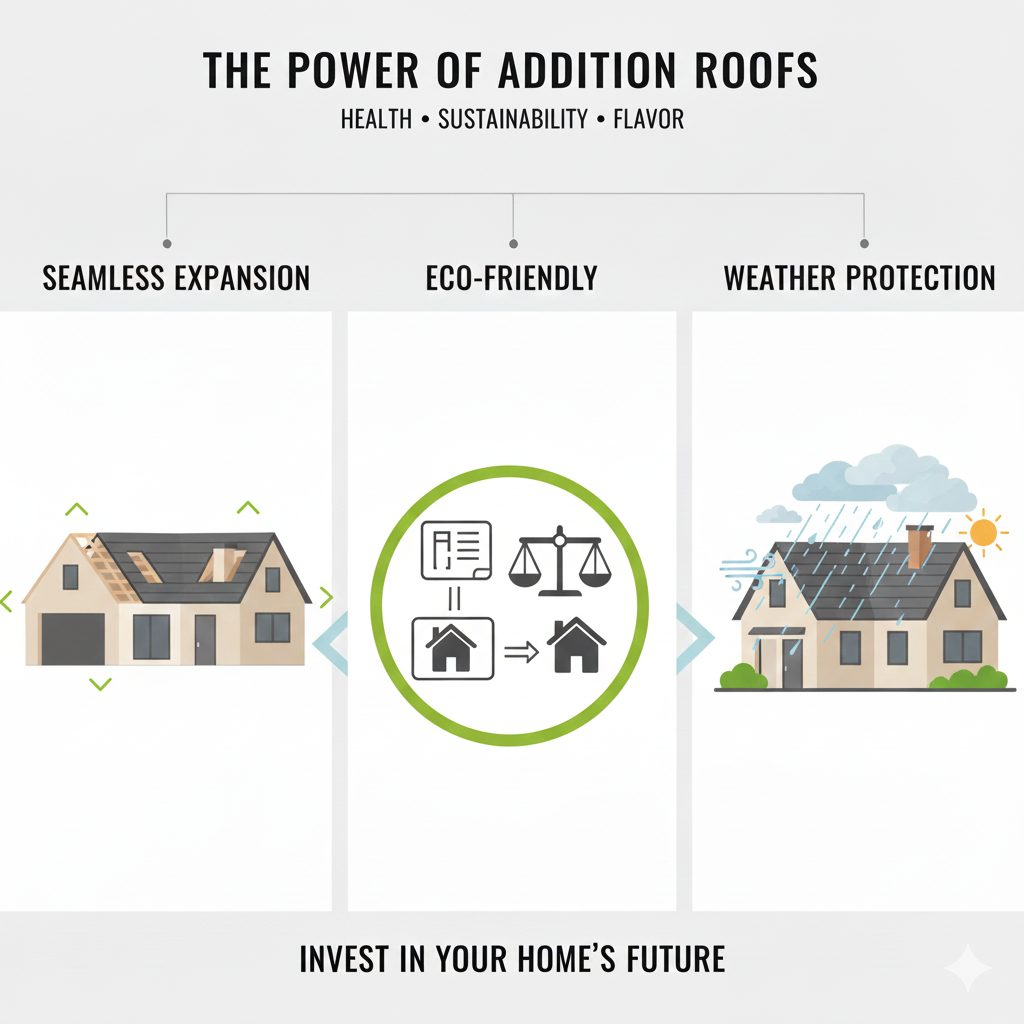
Addition roofs play a critical role in ensuring seamless expansion, structural balance, and reliable weather protection. By integrating new spaces with existing structures thoughtfully, these roofing systems preserve stability, appearance, and performance. Proper design prevents leaks, improves energy efficiency, and enhances interior comfort.
With professional planning and skilled execution, home additions become valuable, long-lasting improvements. Mike Ragan Roofing demonstrates how expertly designed addition roofs support cohesive expansion, durable construction, and long-term home value.