
A Calm Approach to Better Movement and Balance
Many people want to stay active without putting too much stress on their bodies. High impact workouts can feel overwhelming, especially for beginners, older adults, or those returning from injury. This is where gentle movement plays an important role in modern fitness programs.
Slow, mindful movement practices focus on control, posture, and breathing. These elements help improve balance, coordination, and body awareness. Instead of pushing the body hard, they teach people how to move with ease and confidence. Fitness professionals are now recognizing the value of blending calm movement principles into regular training sessions.
This article explores how gentle movement concepts inspired by traditional practices can support flexibility, strength, and mental focus. It also explains how trainers can safely include these ideas to help clients feel more connected to their bodies.
Understanding the Foundation of Gentle Movement
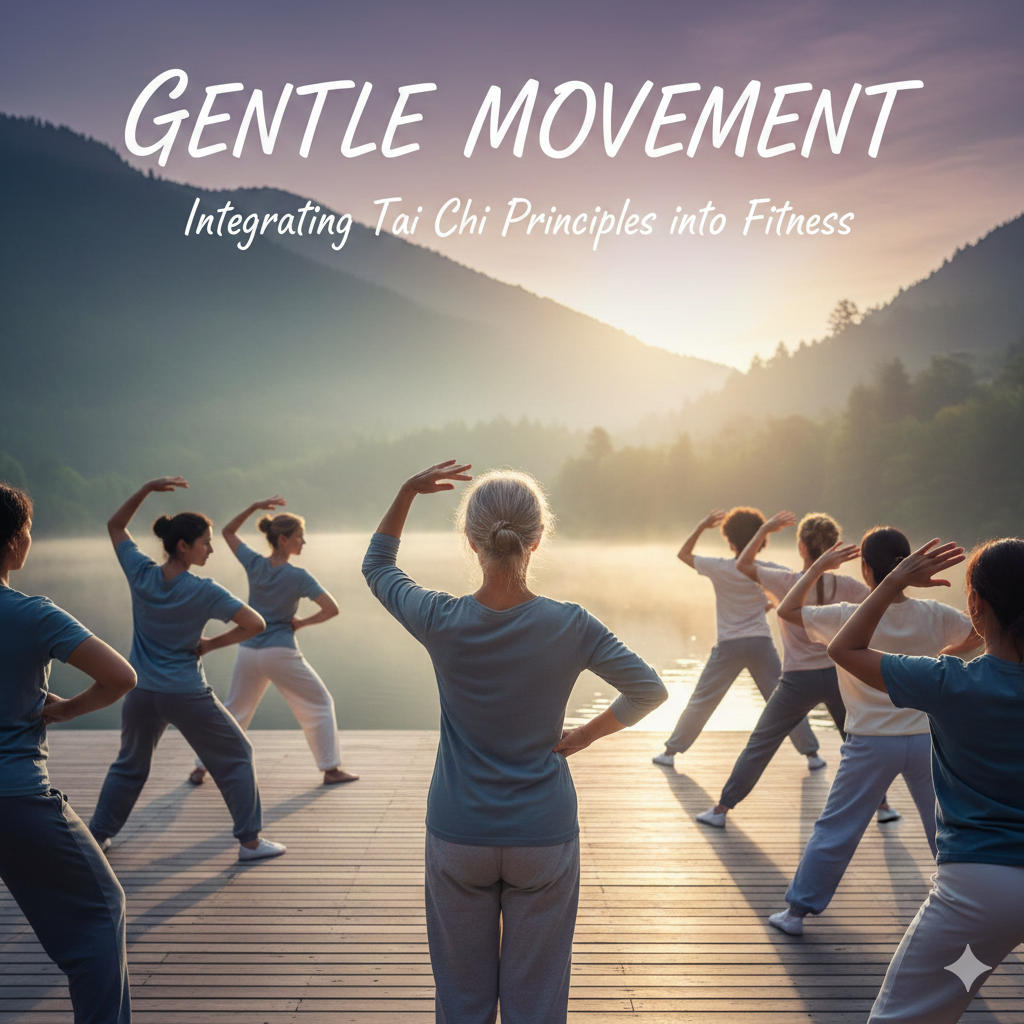
Gentle movement is based on slow, controlled actions that flow smoothly from one position to another. The goal is not speed or power but awareness and balance. Every movement has purpose, and breathing stays calm and steady throughout the session.

These principles help reduce tension in muscles and joints. They also support better posture by teaching clients how to align their bodies properly. Over time, this approach can improve movement efficiency and reduce the risk of strain.
Key ideas behind gentle movement include:
- Smooth and controlled motion
- Upright posture and alignment
- Steady breathing patterns
- Mental focus during movement
These basics can be adapted to many fitness settings and client needs.
How Slow Movement Improves Physical Health
Slow and mindful movement may look simple, but it offers strong physical benefits. Moving with control helps activate stabilizing muscles that are often ignored during fast exercises. This improves joint support and overall balance.
Gentle movement also encourages better flexibility. Muscles lengthen gradually, which helps reduce stiffness and improve comfort during daily activities. Clients who struggle with tight hips, shoulders, or lower backs often notice improvements with consistent practice.
Physical benefits include:
- Improved balance and coordination
- Increased joint mobility
- Reduced muscle tension
- Better posture and alignment
These benefits make gentle movement suitable for a wide range of clients.
Supporting Mental Focus and Stress Relief
Fitness is not only about the body. Mental well being plays a big role in how people feel during and after exercise. Slow movement practices encourage mindfulness, which helps calm the nervous system.
When clients focus on breathing and controlled motion, stress levels often decrease. This can improve mood, sleep quality, and overall motivation to stay active. Many clients enjoy workouts that leave them feeling relaxed rather than exhausted.
Mental benefits often include:
- Reduced stress and anxiety
- Improved concentration
- Greater body awareness
- A sense of calm and control
These effects make gentle movement a valuable addition to busy lifestyles.
Integrating Gentle Movement Into Fitness Programs
Fitness professionals can include gentle movement at different points in a training session. It can be used as a warm up to prepare the body or as a cool down to promote relaxation.
For beginners, gentle movement helps build confidence. For advanced clients, it improves control and recovery. The key is adapting movements to match each client’s ability and comfort level.
Ideas for integration include:
- Short balance focused sequences at the start of sessions
- Controlled breathing exercises between strength sets
- Slow mobility work during recovery days
- Mindful movement for older or special populations
This flexibility makes gentle movement easy to apply across many programs.
Teaching Proper Technique and Safety
Clear instruction is important when teaching slow movement practices. Clients should understand how to stand, shift weight, and move with control. Rushing through movements reduces their benefits and increases the risk of poor form.
Safety tips for instructors include:
- Encourage slow and steady motion
- Avoid locking joints
- Emphasize relaxed breathing
- Adjust movements for comfort and balance
Clients should feel stable and supported at all times. Gentle guidance builds trust and long term commitment.
Reaching Different Client Groups
Gentle movement works well for many types of clients. Older adults benefit from improved balance and coordination. Office workers gain relief from stiffness caused by long sitting hours. Athletes can use it to improve focus and recovery.
Each group may need small adjustments in pace or stance. Understanding how to modify movements ensures everyone feels successful and safe.
Fitness professionals who want deeper knowledge often explore structured education such as www.americansportandfitness.com/products/tai-chi-certification to better understand movement patterns and teaching methods.
Building Confidence Through Consistent Practice
Consistency is key to seeing results from gentle movement. Clients may not feel dramatic changes after one session, but steady practice leads to lasting improvements.
Encouraging small routines helps build habits. Even a few minutes a day can improve balance, posture, and relaxation over time.
Helpful habit building tips include:
- Practicing at the same time each day
- Focusing on one movement at a time
- Pairing movement with deep breathing
- Tracking comfort and balance progress
Confidence grows as clients feel more in control of their bodies.
The Role of Education for Fitness Professionals
Understanding gentle movement principles helps trainers expand their skill set. Education allows them to explain movements clearly and adjust techniques safely.
Learning programs such as taichi certification offer insight into movement flow, balance control, and client instruction. This knowledge supports better coaching and improved client outcomes.
Well informed trainers can confidently include gentle movement in group classes or one on one sessions.
Encouraging Lifelong Movement Habits
One of the biggest benefits of gentle movement is accessibility. Clients of all ages and fitness levels can participate. This encourages lifelong activity rather than short term fitness goals.
When exercise feels enjoyable and manageable, people are more likely to stay active. Gentle movement supports long term health by promoting consistency rather than intensity.
Programs that include mindful motion help clients view fitness as a daily practice instead of a challenge.
Final Thoughts on Gentle Movement in Fitness
Gentle movement offers a balanced approach to fitness that supports both body and mind. By focusing on control, posture, and breathing, clients improve mobility, balance, and confidence without excessive strain.