
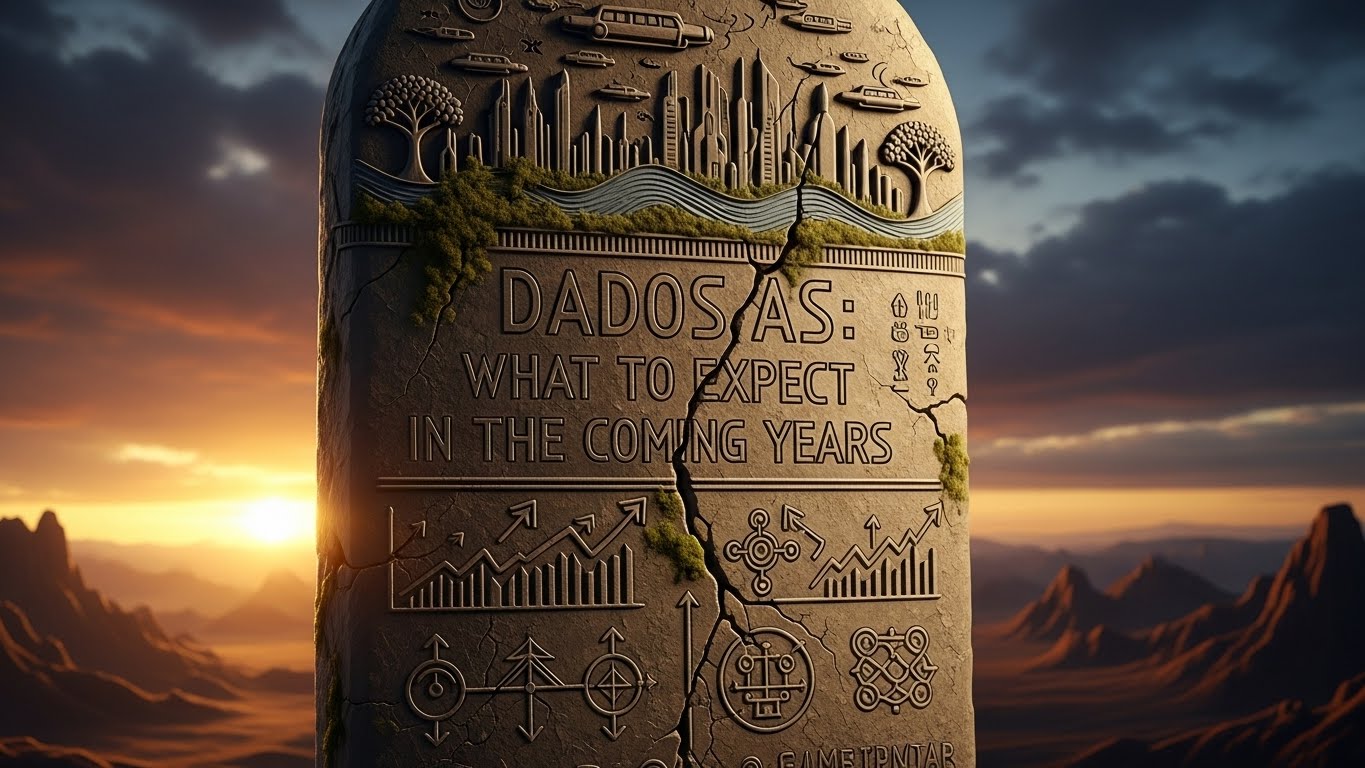
The world of technology is in a constant state of flux, and one term that has emerged as a game-changer is “Dados as.” This innovative concept combines data-driven insights with powerful analytics, reshaping how businesses operate and make decisions. As we dive deeper into this fascinating realm, we’ll explore the evolution of Dados technology, its transformative impact across various industries, and what the future holds. Whether you’re a tech enthusiast or simply curious about emerging trends, understanding Dados as can provide valuable insights into tomorrow’s landscape. Join us on this journey to uncover the possibilities that lie ahead!
The Evolution of Dados Technology
The evolution of Dados technology has been nothing short of revolutionary. Initially, it began as a mere tool for data collection and management. As businesses recognized the value in harnessing information, Dados transformed into an analytics powerhouse.
With advancements in machine learning and artificial intelligence, the capabilities of Dados expanded significantly. It became adept at not just storing data but also processing and analyzing vast amounts seamlessly.
Moreover, cloud computing played a pivotal role in its evolution. Data accessibility improved drastically, allowing real-time analysis from anywhere across the globe. This shift empowered organizations to make informed decisions swiftly.
Related Post


Today’s Dados systems are equipped with predictive analytics features that offer insights beyond historical trends. They enable enterprises to anticipate market changes and customer preferences effectively.
As we look ahead, one can only imagine how these technologies will continue to evolve further in complexity and utility within various sectors.
How Dados is Transforming Different Industries
Dados is reshaping various industries by facilitating data-driven decisions. In healthcare, it streamlines patient records and enhances diagnostics. This allows for personalized treatment plans based on real-time data analysis.
In finance, Dados optimizes risk assessment. Algorithms analyze vast datasets to identify potential fraud patterns. This boosts security and fosters customer trust.
The retail sector benefits from Dados through improved inventory management. Businesses can predict demand accurately, reducing waste while maximizing sales opportunities.
Manufacturing also sees significant changes as automation and predictive maintenance become standard practices driven by Dados technology. Companies can anticipate equipment failures before they happen, saving costs and improving efficiency.
Education harnesses Dados to tailor learning experiences for students. By analyzing performance metrics, educators create customized lesson plans that meet individual needs effectively.
These transformations across sectors highlight the versatility of Dados in enhancing operational efficiencies and driving innovation.
Predictions for the Future of Dados
The future of Dados is poised for remarkable advancements. As technology evolves, we can expect more sophisticated data analysis tools that enhance decision-making processes.
Artificial intelligence will play a significant role in transforming Dados, enabling organizations to predict trends with unparalleled accuracy. This shift will empower businesses to react swiftly to market changes.
Moreover, the integration of Dados into everyday applications will become seamless. Consumers may not even realize they’re interacting with advanced data systems as these solutions blend into user experiences.
We’ll also witness an increase in collaboration across industries driven by shared data insights. Collaborative platforms could redefine how organizations approach problem-solving and innovation.
The importance of real-time analytics cannot be overstated. Businesses that adapt quickly and harness live data streams will gain a competitive edge in their respective markets.
Potential Challenges and Solutions
As Dados technology advances, several challenges emerge. Data privacy remains a significant concern. With increasing amounts of data collected, protecting user information becomes more complex. Companies must navigate regulations while ensuring transparency.
Integration can also pose difficulties. Many organizations struggle to incorporate Dados systems with existing infrastructure. This often leads to inefficiencies and increased costs.
Another challenge is the talent gap in skilled professionals who understand Dados intricacies. As demand grows, finding qualified individuals can be arduous for companies.
Solutions exist for these hurdles. Implementing robust security measures can help safeguard sensitive data, fostering trust among users.
Investing in training programs prepares employees for new technologies and smoothens integration processes.
Collaborative efforts across industries can bridge the talent gap by standardizing educational pathways focused on Dados expertise.
Ethical Considerations Surrounding Dados
Ethical considerations surrounding Dados are becoming increasingly important. As technology evolves, so do the implications of its use.
Data privacy is a major concern. Users often share vast amounts of personal information without fully understanding how it will be used. Transparency in data collection practices is essential to build trust.
Another critical aspect is bias in algorithms. If the underlying data contains biases, the decisions made by these systems can perpetuate inequality and discrimination. Continuous evaluation and adjustment are necessary to mitigate these risks.
Accountability also plays a crucial role in ethical discussions around technology. Companies must take responsibility for their data practices and ensure that they comply with regulations protecting user rights.
As artificial intelligence integrates into systems, questions about autonomy arise. Balancing innovation while respecting human values poses an ongoing challenge for developers and organizations alike.
Conclusion: Embracing the Possibilities of Dados
The rise of Dados technology presents a landscape filled with opportunities. As businesses and individuals embrace this innovation, the potential for growth and efficiency becomes apparent. With its ability to streamline processes, enhance decision-making, and improve user experiences, is set to reshape industries across the board.
As we move forward, it will be essential to address the challenges that accompany this evolution. By focusing on solutions that prioritize data security and ethical considerations, we can harness the full potential of while ensuring responsible use.
Embracing Datos does not merely mean adopting new technology; it signifies a shift in mindset. A willingness to innovate while maintaining an awareness of ethical implications can lead us toward a future where data works harmoniously with human ingenuity. The possibilities are vast—are you ready to explore them?