

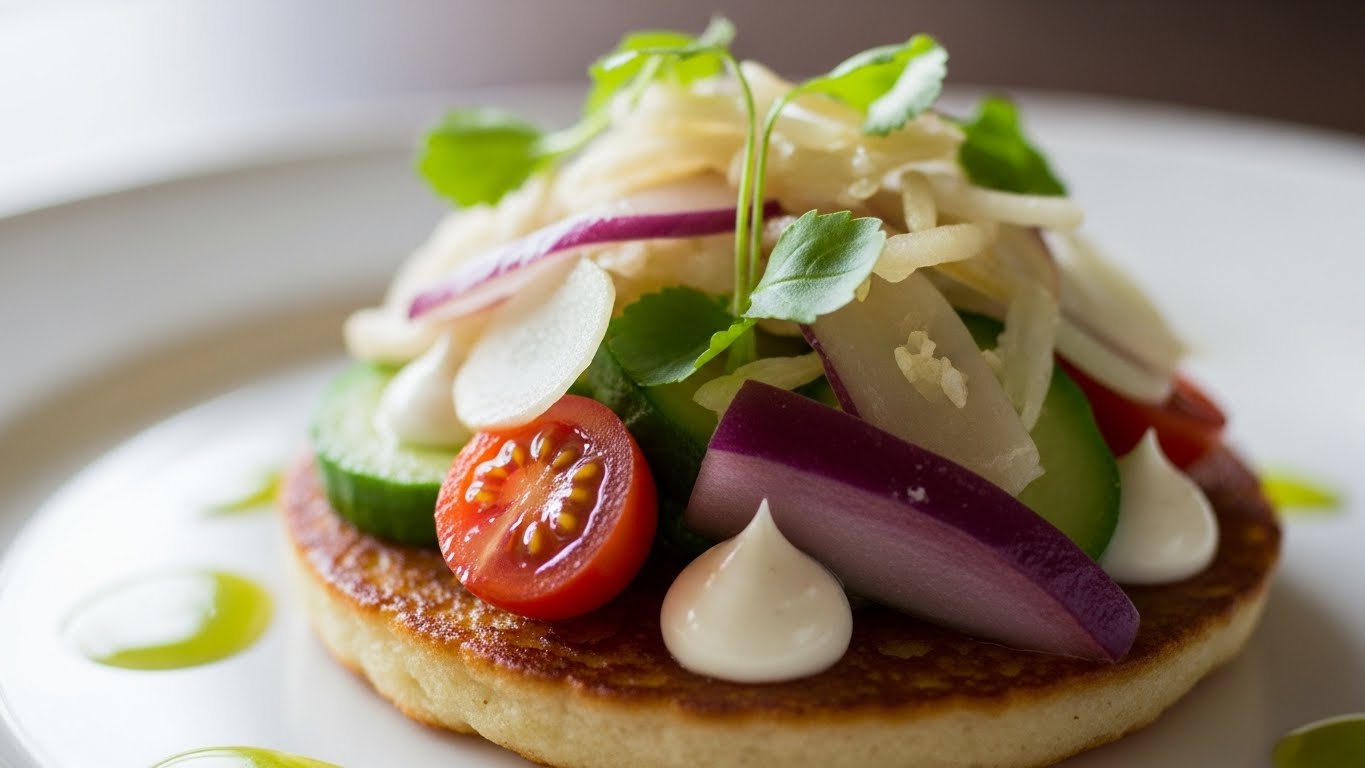
Cevurı is not just a dish; it’s a culinary journey steeped in tradition and flavor. This delightful Turkish specialty brings together an array of ingredients that ignite the senses and create memorable dining experiences. Whether you’re enjoying it at a bustling street market or preparing it in your own kitchen, Cevurı offers a taste of Turkey’s rich heritage.
As we dive deeper into the world of Cevurı, you’ll discover its intriguing history, essential ingredients, and cooking techniques that can elevate this dish to new heights. Each bite tells a story, celebrating cultural connections through food. Join us as we explore how to master this traditional delight while also discovering modern twists that keep it fresh and exciting!
History and Origins of Cevurı
Cevurı has roots deeply embedded in Turkish culinary traditions. This dish is believed to have originated from the Anatolian region, where diverse flavors and cooking methods converge.
Historically, Cevurı was prepared by nomadic tribes who relied on available ingredients while traveling. The simplicity of its preparation made it a favorite among hunters and gatherers.
Related Post


As time progressed, this dish evolved into a staple across various Turkish households. Each region added its unique twist based on local produce and preferences.
The influence of trade routes facilitated the exchange of spices and techniques, enriching the original recipes. Today, Cevurı reflects a harmonious blend of history and culture in every bite.
Key Ingredients in Making Cevurı
Cevurı is a delightful dish that relies on fresh, high-quality ingredients. The star of the show is tender lamb or beef, which brings rich flavors to the table. This meat is often marinated beforehand for added depth.
Next up are aromatic spices—cumin and paprika are staples that elevate Cevurı’s taste profile. A hint of black pepper adds just the right amount of warmth without overwhelming the palate.
Vegetables play a crucial role too. Chopped onions provide sweetness while bell peppers offer color and crunch. Fresh herbs like parsley or mint can brighten up every bite.
Don’t forget about olive oil! It not only enhances flavor but also contributes to achieving that perfect texture when cooking. Each ingredient works harmoniously, creating a mouthwatering experience that’s hard to resist.
Traditional Cooking Techniques for Authentic Cevurı
To achieve an authentic Cevurı, traditional cooking techniques are essential. One of the key methods is slow-cooking over low heat. This allows flavors to meld beautifully while ensuring tenderness in the meat.
Another technique involves using a heavy pot or cast-iron skillet. These materials retain heat well and provide even cooking. It’s ideal for achieving that perfect golden crust on your dish.
Marinating the ingredients also plays a crucial role. A blend of spices and herbs enhances flavor depth, making each bite memorable.
Don’t forget about presentation. Serving Cevurı in traditional clay dishes not only showcases its rustic charm but maintains warmth until it’s ready to be enjoyed.
Modern Variations and Creative Twists on Cevurı
Cevurı has evolved beyond its traditional roots, inspiring chefs to experiment with bold flavors and innovative techniques.
One popular twist includes the addition of fusion ingredients like avocado or spicy jalapeños, creating a delightful contrast against the dish’s classic foundation.
Vegetarian versions have also emerged, replacing meat with hearty mushrooms or lentils while maintaining that signature savory taste.
For those seeking a unique presentation, cevurı can be served as bite-sized appetizers on skewers or in crisp lettuce wraps. This makes it perfect for gatherings and parties.
Additionally, gourmet chefs are infusing regional spices from around the world into their cevurı recipes, offering unexpected flavor profiles that surprise and delight diners.
These modern variations breathe new life into this cherished dish while still celebrating its rich cultural heritage.
Tips for Perfecting Your Cevurı Dish
To achieve a perfect Cevurı, start with the freshest ingredients. Quality meat and vegetables make all the difference in flavor.
Don’t rush the marination process. Allow your meat to soak up spices and seasonings for at least an hour. This enhances taste and tenderness.
Pay attention to cooking temperature; a steady medium heat helps ensure even cooking throughout. Avoid overcrowding your pan, as this can cause steaming rather than browning.
Experiment with herbs like thyme or parsley, adding them toward the end of cooking for a burst of freshness without losing their essence.
Serve Cevurı hot from the skillet onto warm plates. A squeeze of lemon just before serving brightens flavors beautifully.
Enjoy it with homemade bread or rice on the side to complement those rich tastes perfectly!
Conclusion: Enjoying the Rich Flavors of Cevurı
Cevurı is more than just a dish; it’s an experience that brings people together. Each bite offers a burst of flavors and textures, telling the story of its rich Turkish heritage. Whether you stick to traditional recipes or experiment with modern twists, preparing Cevurı is about connection—both to the ingredients and those you share it with.
As you embark on your culinary journey with Cevurı, remember to savor each step along the way. From selecting fresh ingredients to mastering cooking techniques, every detail enhances this delightful dish. So gather your friends and family, serve up some warm plates of Cevurı, and enjoy the vibrant tastes that have stood the test of time in Turkish cuisine.