

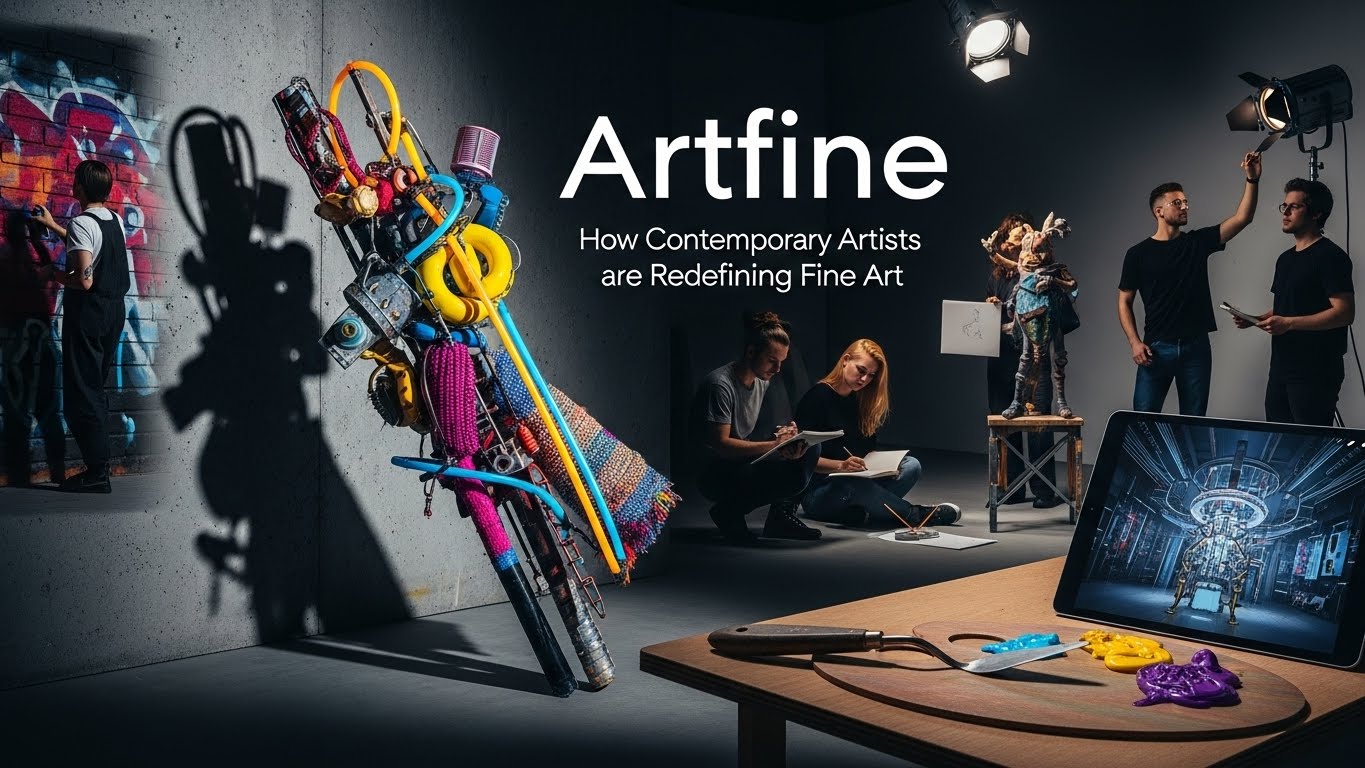
Artfine is more than a term; it’s a movement. As contemporary artists step onto the canvas, they are reshaping what we perceive as fine art. Gone are the days when traditional techniques and classical subjects dominated galleries. Today’s artists embrace innovation, challenge norms, and invite us to see the world through fresh eyes.
This evolution reflects our society’s pulse—vibrant, chaotic, and ever-changing. With each brushstroke or digital creation, these modern visionaries redefine artistic expression in ways that resonate deeply with today’s audiences. Join us on this journey into Artfine as we explore its rich history, the transformative impact of contemporary creators, and how technology is altering our understanding of art itself. Welcome to a new era where boundaries blur and creativity knows no limits!
The History of Fine Art
Fine art has a rich and varied history that stretches back to ancient civilizations. From the cave paintings of prehistoric times to the intricate sculptures of Ancient Greece, each period reflects cultural values and human experiences.
The Renaissance marked a pivotal moment in art history. Artists like Leonardo da Vinci and Michelangelo pushed boundaries with their mastery of technique and perspective. This era celebrated individualism and creativity, laying the groundwork for future movements.
Related Post


As time progressed, fine art evolved through various styles—Baroque’s dramatic flair, Impressionism’s emphasis on light, and Modernism’s quest for abstraction. These changes mirrored societal shifts, technological advances, and new philosophies about beauty.
Throughout these timelines, fine art has remained an essential form of expression. It transcends language barriers while capturing emotions that resonate across generations. Each brushstroke or chisel mark tells a story shaped by its time yet continues to influence contemporary artists today.
Contemporary Artists and Their Impact on the Art World
Contemporary artists are reshaping the art world in profound ways. Their work challenges traditional definitions of art, pushing boundaries and sparking conversations.
These creators often blend multiple mediums, combining painting, sculpture, digital design, and performance. This fusion produces innovative pieces that captivate diverse audiences.
They also address pressing social issues through their art. By reflecting cultural narratives or political struggles, contemporary artists foster dialogue and raise awareness about important topics.
Moreover, they leverage platforms like social media to reach wider audiences instantly. This democratization of art allows for a more inclusive appreciation of various forms and styles.
The impact is not just on aesthetics; it’s a shift in how we perceive creativity itself. Art has become more accessible while still maintaining its power to provoke thought and inspire change across society.
How Technology is Changing the Landscape of Fine Art
Technology is revolutionizing the fine art scene in remarkable ways. Artists are now leveraging digital tools to create, promote, and sell their work like never before. Software applications allow for intricate designs that were once impossible using traditional methods.
Virtual reality (VR) and augmented reality (AR) offer immersive experiences that engage viewers on a deeper level. Imagine stepping inside a painting or interacting with sculptures through your smartphone. This technology invites audiences to participate in art rather than just observe it.
Social media platforms have also transformed how artists share their creations. They can reach global audiences instantly, breaking geographical barriers and enabling diverse conversations about art.
Blockchain technology has introduced new avenues for ownership with non-fungible tokens (NFTs). These digital assets authenticate originality, reshaping how collectors perceive value in the contemporary market.
Technology continuously broadens the scope of artistic expression and engagement in exciting directions.
The Use of Unconventional Materials in Fine Art
Contemporary artists are pushing boundaries by incorporating unconventional materials into their work. Rather than sticking to traditional paint and canvas, they often use everyday objects that carry significance or challenge perceptions.
Consider the artist who crafts stunning sculptures from recycled plastics. These pieces not only captivate but also provoke thoughts about environmental issues. They blur the lines between art and activism.
Textiles, metal scraps, and even food can become mediums for expression. This diversity allows for limitless creativity while inviting viewers to engage with the material in new ways.
The tactile nature of these works invites interaction, creating a deeper connection between art and audience. Each piece tells its own story through its unique composition.
This shift toward non-traditional materials reflects broader cultural themes, making fine art more accessible and relevant in today’s world. It challenges us to rethink what we consider valuable or worthy of artistic merit.
The Influence of Social and Cultural Issues on Artfine
Artfine is deeply intertwined with social and cultural narratives. Contemporary artists are often inspired by the world around them, making bold statements about pressing issues.
From climate change to racial equality, these themes resonate in their work. Artists use their platforms to address injustices and provoke thought. This engagement encourages viewers to reflect on societal norms.
Cultural diversity plays a significant role too. Artists from different backgrounds bring unique perspectives that enrich the art landscape. Their experiences shape their creations, allowing for a vibrant dialogue between cultures.
Moreover, social media amplifies this influence. Artists can share their messages widely, reaching audiences well beyond traditional galleries. The impact of activism through art has never been more pronounced.
As contemporary artists explore complex topics through Artfine, they challenge conventions and invite us all to reconsider our views on society and culture.
Conclusion: The Future of Fine Art in the Hands of Contemporary Artists
The future of fine art is undeniably intertwined with the innovative spirit of contemporary artists. As they push boundaries, they invite audiences to engage with art in new and thought-provoking ways. This generation is not just preserving traditional techniques; they’re reinventing them by infusing their work with technology, unconventional materials, and relevant social commentary.
These artists are shaping a landscape where expression knows no limits, allowing for diverse voices that reflect our complex world. Whether it’s through digital mediums or installations that spark conversation about pressing cultural issues, Artfine embodies this evolution. The commitment to challenging norms ensures that fine art remains dynamic and accessible.
As we look ahead, one thing is clear: contemporary artists will continue to redefine what we perceive as “fine” art. Their fearless exploration opens doors for new perspectives and experiences within the realm of creativity. It’s an exciting time for both creators and audiences alike as we witness how these artistic pioneers pave the way for future generations in the vibrant world of Artfine.