

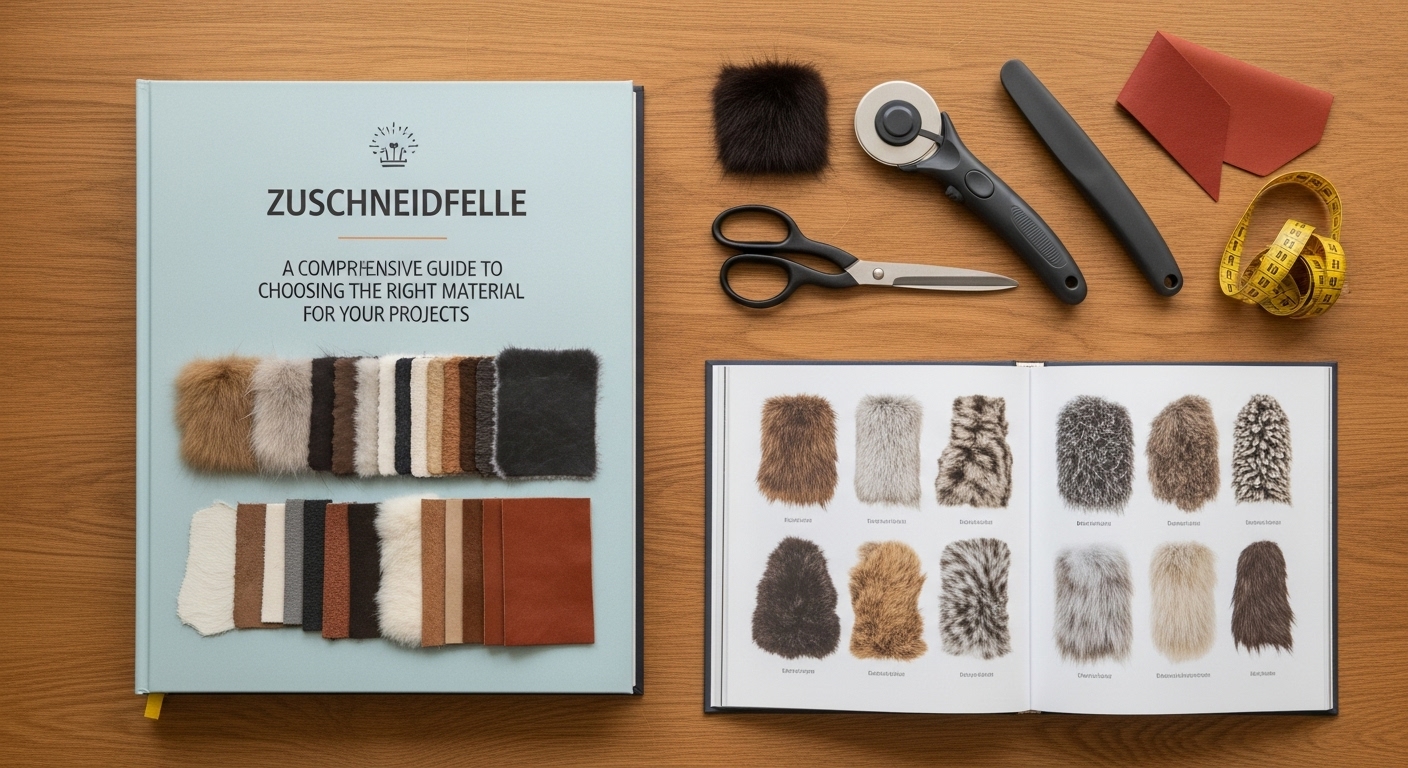
When it comes to crafting, sewing, or any hands-on project, the right materials can make all the difference. Among these essentials are Zuschneidfelle, a versatile option that has gained popularity among hobbyists and professionals alike. But what exactly are Zuschneidfelle? Why should you consider them for your next creative endeavor? In this comprehensive guide, we’ll dive into everything you need to know about choosing the perfect Zuschneidfelle material. From understanding its various types to exploring key factors in selection and tips for effective use, we’ve got you covered. Let’s embark on this journey of discovery together!
Understanding Zuschneidfelle and Its Uses
Zuschneidfelle, often referred to as cutting mats or cutting sheets, are essential tools in many crafting and sewing projects. They provide a stable surface for precise cutting, protecting both your work surface and your blades.
These materials come in various sizes and thicknesses, catering to different needs. Whether you’re working with fabric, paper, or other mediums, Zuschneidfelle offer the durability needed for repeated use.
Their self-healing properties make them especially appealing. Cuts made into the surface close up over time, ensuring longevity while maintaining accuracy.
Related Post


Beyond crafts and sewing, Zuschneidfelle find applications in graphic design and model-making. Their versatility allows artists to create clean lines without damaging their tools or surfaces.
Understanding these unique features can enhance your project experience significantly. With the right choice of Zuschneidfelle material at hand, you’re better equipped to bring your creative visions to life.
Types of Zuschneidfelle Materials
When it comes to Zuschneidfelle, several materials can enhance your project outcomes. Each type offers unique characteristics and benefits.
PVC is a popular choice due to its durability and resistance to wear. This material stands up well under pressure, making it ideal for heavy-duty applications.
Another common option is polycarbonate. Known for its clarity and strength, it’s perfect for projects requiring precision cutting while maintaining visibility.
Felt Zuschneidfelle provide a softer alternative. They are great for crafts or delicate items that need gentle handling without risk of damage.
Consider natural leather. It’s an elegant choice that adds a touch of sophistication but requires more care than synthetic options.
Choosing the right material impacts not just functionality but also aesthetics in your work. Knowing these varieties helps you make informed decisions tailored to specific needs.
Factors to Consider When Choosing Zuschneidfelle Material
When selecting Zuschneidfelle material, several factors come into play. First, consider the project type. Different crafts and tasks may require specific materials for optimal performance.
Next, think about durability. Some projects demand tough materials that can withstand heavy use or wear over time. This is crucial if your work involves cutting tools or sharp objects.
Thickness is another important detail. Thicker Zuschneidfelle offers better protection for surfaces but might be less flexible in certain applications.
Texture also matters greatly. A smooth surface allows for precise cuts, while a textured one might offer better grip during handling.
Budget considerations are essential. High-quality materials often come with a price tag, so weigh the cost against your project’s needs and frequency of use to make an informed decision.
Pros and Cons of Different Zuschneidfelle Materials
When it comes to Zuschneidfelle materials, each type has its unique advantages and drawbacks.
Natural leather is renowned for its durability and aesthetic appeal. It ages beautifully but can be pricey. Also, it requires special care to maintain its quality over time.
Synthetic alternatives like PVC or PU offer affordability and easy maintenance. They resist stains well but may lack the same tactile feel as genuine leather.
Foam Zuschneidfelle are lightweight and perfect for crafting projects requiring cushioning. However, they might not withstand heavy use over the long term.
Felt is a popular choice due to its softness and versatility in various crafts. While it’s easy to work with, felt can fray at edges if not treated properly.
Choosing the right material depends on your project needs and personal preferences. Each option brings something different to the table.
Top Brands for Quality Zuschneidfelle Materials
When it comes to Zuschneidfelle, several brands stand out for their quality and reliability. One such brand is Olfa, known for its precision cutting tools and durable materials. Their Zuschneidfelle are designed to withstand heavy use while maintaining sharpness.
Another reputable name is Fiskars, which offers a range of cutting mats that cater to different project sizes. Their products are user-friendly and provide excellent grip on various surfaces.
For those seeking eco-friendly options, Cutting Mat World provides sustainable Zuschneidfelle made from recycled materials without compromising performance. Their commitment to the environment sets them apart in the market.
Martelli Enterprises specializes in innovative designs tailored specifically for quilters and crafters. Their Zuschniedfelle come with unique features that enhance ease of use and accuracy during projects. Each brand has its strengths, making it essential to explore your options carefully before purchasing.
Tips for Working with Zuschneidfelle
When working with Zuschneidfelle, preparation is key. Always ensure your workspace is clean and organized. This will help avoid any unnecessary distractions or accidents.
Use sharp cutting tools for precise edges. Dull blades can lead to uneven cuts, ruining the material integrity. Take your time; rushing often leads to mistakes that can be costly.
Before starting, lay out a plan or design on paper. Visualizing the final product helps in estimating how much material you’ll need and where to make cuts.
Experiment with different techniques on scrap pieces first. This allows you to understand how the Zuschneidfelle behaves under various conditions without jeopardizing your main project.
Store leftover materials properly. Keeping them flat and away from direct sunlight prolongs their lifespan and usability for future projects. Small steps like these can significantly enhance your experience with Zuschneidfelle.
Conclusion: Finding the Perfect Material for Your Next Project
Choosing the right Zuschneidfelle material can significantly impact your project’s success. Consider the specific needs of your work, from durability to flexibility. Reflect on how different materials align with your creative vision and functional requirements.
Exploring various options will help you narrow down choices that suit both your preferences and project demands. Engaging with top brands known for quality can provide added assurance in your selection process.
By experimenting with different Zuschneidfelle types, you’ll gain firsthand experience that informs future projects. Take time to understand each material’s unique qualities, which will empower you to make informed decisions every step of the way.
Letting creativity guide you while being mindful of practical considerations will lead to satisfying results in any endeavor using Zuschneidfelle. Your next masterpiece awaits!