
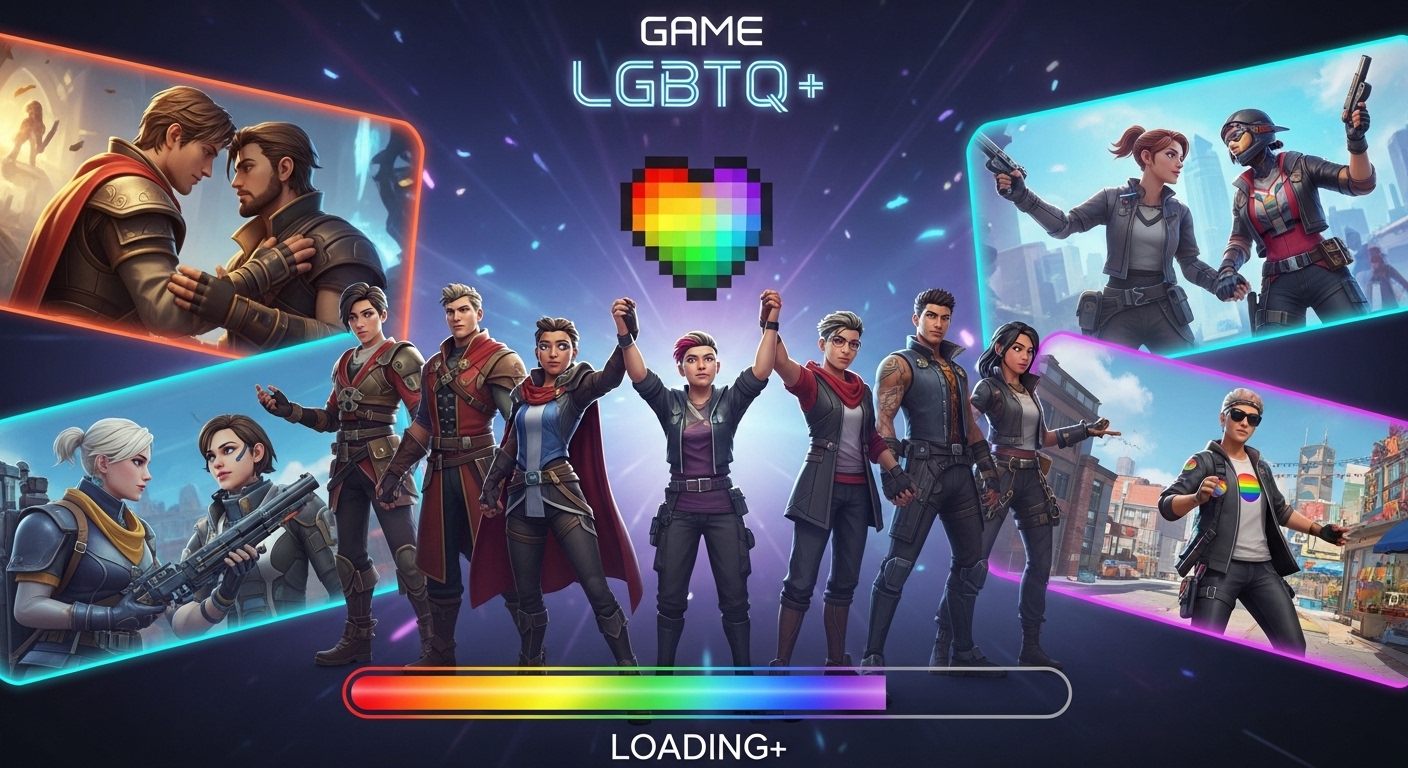
Video games have long been a canvas for storytelling, allowing creators to express diverse narratives that resonate with players worldwide. As society evolves, so too does the representation within these digital realms. Enter “Gaymetu e,” a term capturing the vibrant intersection of LGBTQ+ themes and gaming culture. This transformative movement is reshaping how characters are portrayed and stories are told in video games.
Gone are the days when LGBTQ+ representation was limited or relegated to stereotypes. Today’s gamers seek authenticity and relatability in their experiences, pushing developers to embrace inclusivity as a core component of game design. With this shift comes an exploration of identity, love, and acceptance within virtual worlds—a reflection of real-life struggles faced by many.
Join us as we delve into the evolution of LGBTQ+ themes in video games and discover how they’re forging connections among players while challenging industry norms. Whether you’re a seasoned gamer or new to this space, there’s much to uncover about how these narratives enrich our collective experience in gaming today.
The evolution of LGBTQ+ representation in video games
LGBTQ+ representation in video games has come a long way since the industry’s inception. Early titles often relegated queer characters to stereotypes or background roles, if they appeared at all.
Related Post


As gaming evolved, so did the narratives surrounding LGBTQ+ themes. The late 90s and early 2000s began to see more nuanced portrayals. Games like “Final Fantasy VII” introduced players to complex relationships that hinted at queerness.
Today, diverse stories are commonplace. Titles such as “The Last of Us Part II” and “Life is Strange” feature well-developed LGBTQ+ protagonists who navigate love, identity, and struggle.
This shift reflects broader societal changes; gamers increasingly demand authenticity in storytelling. As audiences become more vocal about their desires for representation, developers are responding with richer narratives that explore various aspects of LGBTQ+ lives.
In this evolving landscape, every new game contributes to a tapestry of inclusion that resonates deeply with players around the world.
Positive impacts of LGBTQ+ representation in gaming
LGBTQ+ representation in gaming fosters inclusivity, allowing players from diverse backgrounds to see themselves reflected in their favorite characters. This visibility can enhance emotional connections and create a more immersive experience.
When games feature LGBTQ+ themes, they promote understanding and empathy among players. Such narratives challenge stereotypes, encouraging conversations around gender identity and sexual orientation.
Additionally, inclusive storytelling can attract a broader audience. Players appreciate authenticity in character development and storylines that break away from traditional tropes. Engaging with complex LGBTQ+ characters enriches gameplay while providing new perspectives.
Moreover, this representation empowers developers within the LGBTQ+ Gaymetu e community to create bold content without fear of backlash. When studios embrace diversity, they foster innovation—leading to unique gameplay experiences that resonate on multiple levels. The positive effects are felt not just by individuals but throughout the industry as it evolves toward greater acceptance and creativity.
Challenges faced by LGBTQ+ characters and developers in the gaming industry
Despite the progress in representation, LGBTQ+ characters still face significant challenges in gaming. Stereotyping often reduces them to clichés, undermining their complexity and depth. This can alienate players who seek authentic portrayals.
Developers also encounter hurdles when creating inclusive content. Concerns about backlash from certain player groups or publishers can stifle creativity. Fear of negative reception may deter developers from exploring diverse narratives.
Additionally, market pressures prioritize mainstream appeal over niche stories. This leads to a lack of investment in titles that feature LGBTQ+ themes prominently.
The industry remains largely male-dominated, making it hard for queer developers to voice their experiences and ideas effectively. Without varied perspectives at the table, representation risks falling flat or missing critical nuances entirely.
As these challenges persist, they highlight the urgent need for more inclusive practices within game development and storytelling.
Popular video games with strong LGBTQ+ themes
Several video games have boldly embraced LGBTQ+ themes Gaymetu e, creating immersive experiences that resonate with players. One standout is “The Last of Us Part II,” which weaves a powerful narrative centered on love and identity while showcasing complex relationships.
Another notable title is “Life is Strange,” where players navigate the ups and downs of teenage life, including romantic connections between characters. This game beautifully captures the struggles faced by queer youth in an authentic way.
“Fire Emblem: Three Houses” also deserves recognition, featuring same-sex romances within its richly developed character arcs. Players can explore diverse identities and relationships as they engage in tactical combat.
Additionally, indie darling “Dream Daddy: A Dad Dating Simulator” offers lighthearted fun packed with heartfelt moments. It highlights fatherhood and love among a cast of charming dad characters, making it both inclusive and entertaining.
Future of LGBTQ+ representation in video games
The future of LGBTQ+ representation in video games looks promising. Developers are increasingly recognizing the importance of diverse narratives. This shift creates more authentic experiences for players.
With the rise of indie studios, unique voices are emerging in the gaming landscape. These creators often prioritize inclusivity and challenge traditional storytelling norms. Players can expect more nuanced characters and rich storylines that explore various identities.
Moreover, mainstream game companies are beginning to adopt inclusive practices as well. Collaborations with LGBTQ+ organizations foster awareness and understanding within larger teams. This commitment paves the way for multifaceted representations across genres.
As technology advances, immersive storytelling Gaymetu e techniques will enhance emotional connections between players and characters. Virtual reality could allow gamers to experience stories from different perspectives, deepening empathy toward marginalized communities.
An increasing demand for diversity among audiences will drive further change in gaming culture, leading to a richer tapestry of experiences that resonate with all players.
Conclusion
The rise of LGBTQ+ themes in video games marks an exciting chapter in the gaming industry. As representation continues to evolve, we witness a more vibrant and inclusive landscape that resonates with diverse audiences. The journey has not been without its hurdles, but each challenge brings opportunities for growth and understanding.
Popular titles are paving the way by incorporating meaningful LGBTQ+ narratives. These stories not only entertain but also educate players about different experiences and identities. We can see how this shift is fostering communities where everyone feels accepted.
Looking ahead, it’s clear that the future of Gaymetu e holds immense potential. Developers are becoming increasingly aware of the importance of authentic representation, ensuring that LGBTQ+ voices are heard loud and clear within their creations.
Engaging with these themes enriches gameplay while encouraging empathy among gamers worldwide. It’s an exhilarating time to be part of this community as it continues to embrace diversity at ever-increasing levels. The impact is profound—and there’s so much more yet to come.