
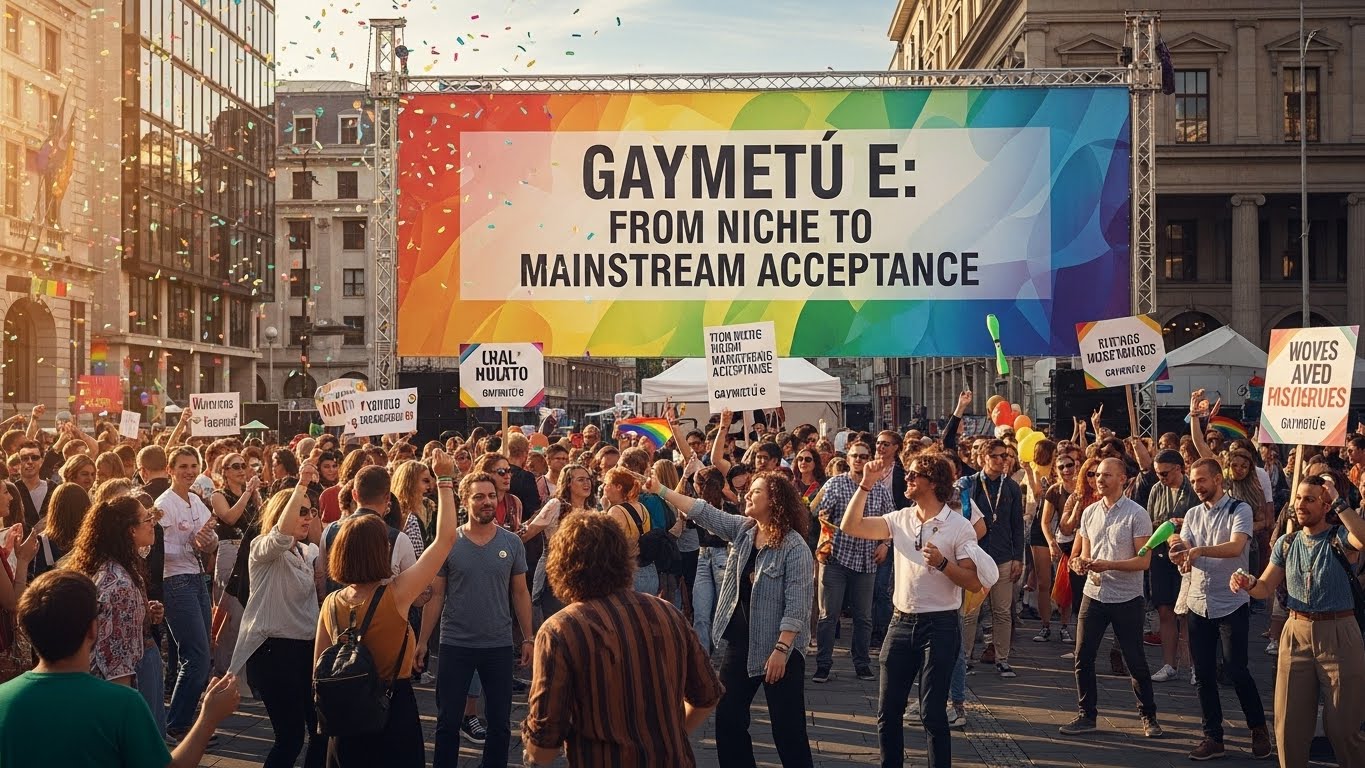
In recent years, the gaming landscape has undergone a remarkable transformation. Once seen as an isolated hobby, gaming has blossomed into a vibrant and inclusive culture that welcomes everyone. Among this evolution is the phenomenon known as “Gaymetu e,” which celebrates LGBTQ+ gamers and their stories.
From bold characters to narratives that resonate with real-life experiences, gayming is no longer confined to underground circles. It’s stepping boldly into the spotlight of mainstream acceptance. This movement not only embraces diversity but also fosters connections among gamers from all walks Gaymetu e of life.
Join us as we explore how Gaymetu e has shifted from niche interests to a thriving community packed with unique voices and experiences. The journey ahead is filled with triumphs, challenges, and endless possibilities for those who dare to play differently.
Defining Gaymer and Gayming
The term “gaymer” is a blend of “gay” and “gamer,” referring to those who identify as LGBTQ+ and engage in video gaming. It’s more than just an identifier; it reflects a sense of community and belonging within the vast gaming world. Gaymers often seek spaces where they can express their identities freely without fear of judgment.


On the other hand, “gayming” encompasses all activities related to gaming that celebrate or include queer themes, narratives, and characters. This includes playing games with LGBTQ+ representation, engaging in discussions about inclusivity, or even creating content centered around these experiences.
As awareness grows, so does the importance of defining these terms. Understanding gaymer culture helps illuminate unique challenges faced by this community while highlighting its vibrant contributions to gaming at large. The rise of gaymers has transformed perceptions and opened doors for rich storytelling in digital realms.
The Rise of Gayming Culture
In recent years, gayming culture has surged into the spotlight. What was once a niche has blossomed into a vibrant community.
As more LGBTQ+ individuals embrace gaming, their stories and experiences have found new expression in digital realms. This shift reflects broader societal acceptance and the desire for authentic representation.
Platforms like Twitch and YouTube have become spaces where queer gamers share their journeys. Streamers build loyal followings by showcasing not just gameplay but also personal narratives that resonate with many.
Game developers are taking notice too. Titles featuring diverse characters and inclusive storylines are becoming more prevalent, making it easier for players to see themselves reflected on-screen.
Events such as Pride gaming tournaments celebrate this unity, bringing together people of all orientations to compete and connect. The camaraderie fosters an environment where everyone can enjoy games without fear of judgment or exclusion.
The Evolution of Representation in Video Games
Representation in video games has experienced significant shifts over the years. Initially dominated by stereotypes, characters often lacked depth and authenticity. This trend marginalized many voices, particularly those in the LGBTQ+ community.
As gaming evolved, so did its narratives. Developers began recognizing the need for diverse representation. Characters emerged with richer backstories and more complex identities. Gaymers found themselves reflected in stories that resonated with their experiences.
Recently, we’ve seen a surge of games featuring openly LGBTQ+ protagonists and inclusive storylines. Titles like “The Last of Us Part II” and “Life is Strange” showcase relationships that feel genuine rather than tokenized.
This evolution extends beyond character design; it embraces gameplay mechanics that allow players to express their identity freely. As acceptance grows within the industry, players can expect even more authentic portrayals moving forward.
LGBTQ+ Inclusive Gaming Companies
The gaming industry has witnessed a transformative shift as LGBTQ+ inclusive companies emerge. These studios prioritize diversity, creating engaging narratives that resonate with many players.
Prominent developers like Queerly and MidBoss stand out for their commitment to representation. They craft characters and stories that reflect the rich tapestry of LGBTQ+ experiences.
Mainstream giants have also taken note. Companies such as Ubisoft and BioWare incorporate diverse identities into their games, showcasing love stories beyond traditional norms. Their titles feature queer protagonists, allowing players to see themselves in these virtual worlds.
Moreover, these inclusive practices extend beyond character design. Game mechanics now often include options for gender identity expression or relationship dynamics that are fluid rather than binary.
This movement promotes acceptance within gaming communities while encouraging new voices in game development. As more gamers demand representation, the landscape continues to evolve dynamically with each release.
Online Communities for Gaymers
Online communities for gaymers have blossomed in recent years. These platforms provide safe spaces where LGBTQ+ gamers can connect, share experiences, and find support.
From Discord servers to dedicated forums, the diversity of these online hubs is impressive. Gamers can chat about their favorite titles or discuss personal journeys within a welcoming atmosphere.
Events like virtual game nights further enhance camaraderie among members. Players often team up to conquer challenges together while building friendships that transcend screens.
Social media also plays a crucial role in uniting gaymers. Hashtags like #Gaymer give visibility to marginalized voices and foster solidarity across various gaming genres.
These communities are not just about gaming; they celebrate identity too. Members express themselves freely without fear of judgment, creating an inclusive environment where everyone feels valued and accepted.
Challenges Faced by the Gayming Community
The gayming community often grapples with a variety of challenges. One prominent issue is discrimination, which can manifest in both online and offline spaces. Harassment based on sexual orientation remains a dark reality for many players.
Another hurdle is the lack of representation. While visibility has improved, numerous games still fail to authentically portray LGBTQ+ characters and narratives. This can lead to feelings of alienation among gaymers seeking relatable experiences.
Moreover, there’s an ongoing struggle for acceptance within the broader gaming culture. Some communities remain resistant to diversity, creating cliques that exclude those who don’t fit traditional molds.
Economic barriers also exist; not everyone has access to gaming equipment or stable internet connections. This restricts participation in what should be an inclusive environment.
These obstacles underscore the need for continued advocacy and support within the gayming landscape as it strives toward greater inclusivity and understanding.
Conclusion
The future of Gaymetu e looks promising. As society continues to embrace diversity, the gaming landscape is evolving. The rise of inclusive narratives and characters has paved the way for greater acceptance.
More developers are recognizing the importance of representation. This shift not only enhances storytelling but also resonates with players who see themselves reflected in their favorite games. Characters from various backgrounds enrich gameplay experiences, offering deeper connections for many.
Online communities play a crucial role as well. They provide safe spaces where gamers can share experiences, find support, and celebrate their identities. These networks foster understanding and create bonds that extend beyond virtual worlds.
While challenges remain—such as ongoing discrimination or exclusionary practices—the momentum towards inclusivity is undeniable. Awareness campaigns and advocacy efforts are driving change within gaming companies and among players alike Gaymetu e.
As we move forward, embracing Gaymetu e will become more than just a trend; it will be an integral part of what makes gaming vibrant and relatable for everyone involved. Embracing this journey ensures a brighter future where all gamers feel welcomed at the table.